Introduction
In a world full of messages about what bodies should look like, how they should perform, and how valuable we are based on on how thin / strong / small / toned we are, it can be exhausting trying to measure up.
Maybe you’ve felt pressure to diet, to change your body, to earn your worth through weight loss or body shape. Maybe you’ve felt shame, frustration, guilt, anxiety, or even relief when you didn’t meet those external ideals.
At Relinquish on the Gold Coast, we offer an alternative frame: body neutrality. This approach doesn’t demand that you love every curve or adore every inch of your body all the time. Instead, it asks: what if we could care for our body with respect, without making appearance or size the main source of our value?
In this post, we explore what body neutrality is (and what it isn’t), why it can be more accessible and sustainable than body positivity for many people, how it supports healing from diet culture and eating disorders, and practical ways you can begin practising body neutrality in your everyday life.
What Is Body Neutrality And How Is It Different from Body Positivity?
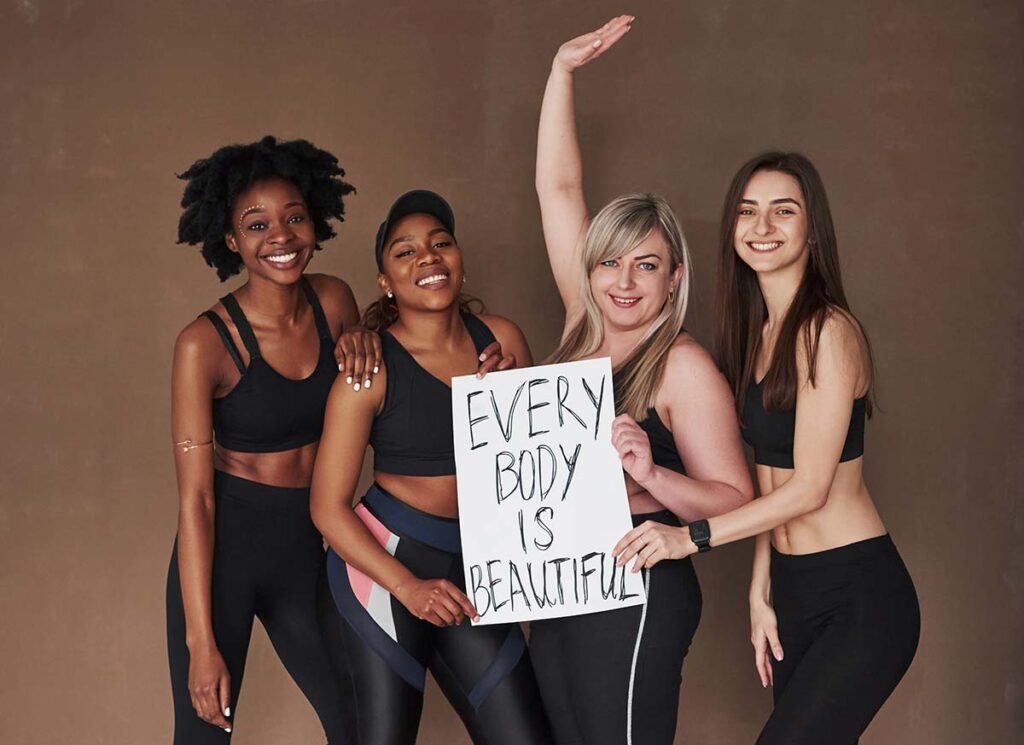
Body neutrality is about shifting the focus away from what your body looks like, and towards what your body does, how it feels, and how you treat it. It encourages acceptance of your body as it is without needing to feel elated about every part of it or constantly striving toward an ideal.
Here’s how to see the difference:
| Feature | Body Positivity | Body Neutrality |
| Emphasis on outward appearance / celebration of all body types | Often encourages “loving your body unconditionally” and celebrating difference. | Encourages acceptance: respect, care, comfort — not necessarily loving every aspect, but recognising your body’s worth. |
| Feeling requirement | Sometimes implies you should always feel good about your body, which can create pressure or guilt if you don’t. | Acknowledges that you might not always feel good, and that’s okay. You are allowed to have negative body thoughts without them defining your worth. |
| Approach to body image distress | Can be helpful, but sometimes feel overwhelming if people don’t genuinely love their body all the time. | May feel more accessible; less demand to be always positive; more realism; more tolerance for fluctuation. |
| Core values | Inclusion, acceptance, love of diversity. | Respect, function, comfort, autonomy, reducing appearance-based shame, shifting value from look to lived experience. |
Body neutrality doesn’t require you to have a face-full of affirmations. It does require respect, kindness, curiosity, and patience with yourself.
Why Body Neutrality Matters Especially in Healing & Food Freedom

Reducing pressure and emotional burden
When your body’s appearance isn’t the main measure of success or worth, you free up mental and emotional energy. You worry less about whether you look “thin enough,” “fit enough,” or like the ideal image, and instead pay attention to how your body feels, what it does, what it needs, and what brings you satisfaction.
Supporting recovery from diet culture and disordered eating
If you’ve lived by dieting rules, you may have viewed food, your body, your weight, your shape, or your exercise patterns as moral issues. Body neutrality helps you step away from moralising your body or food. Your body isn’t the problem — diet culture is. Letting go of emotional judgement, perfection, rigid ideals, or “earning your worth” by how your body looks is part of recovery.
Enabling more sustainable behaviour change
Behaviour change often fails when it is based on shame, guilt, or unrealistic ideals. With body neutrality, the driver becomes comfort, functionality, health, satisfaction, social connection, emotional ease aims that are more sustainable, less punitive, and more tailored to your life.
Honouring what your body does and what you experience
You might notice:
- Your body carries you through your day; you walk, breathe, think, move, rest.
- It becomes a site of experiences: food, social joy, movement, rest, illness, recovery, comfort.
- Body neutrality asks you to notice what your body does, how you feel, what it needs — not always whether it “meets a standard.”
Practical Ways to Begin Practising Body Neutrality
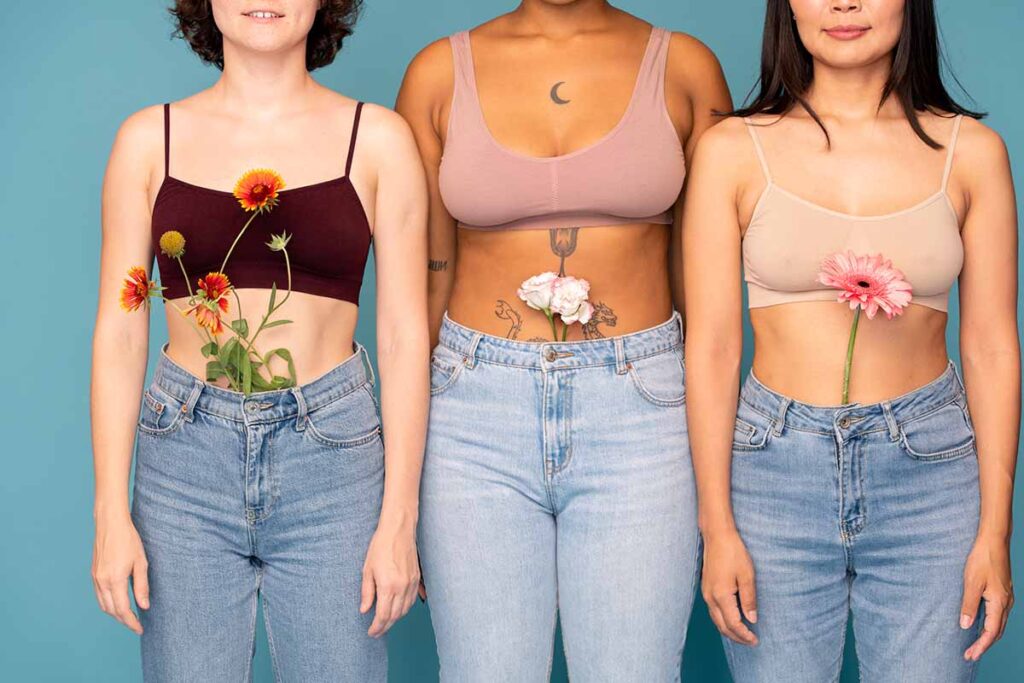
Here are some gentle, realistic strategies to try in your everyday life. You can choose what feels safe, useful, or comfortable; you can move at your own pace.
1. Notice your internal body talk
- Pay attention to how you speak to yourself when you see your body. What words come up? Are they judgmental? Are they neutral?
- If you notice criticism (“My thighs are too big,” “I look fat in this outfit,” “I must lose weight before I feel okay”), ask yourself: Is this thought helping me? Is it based on health, comfort, function, or on a standard that feels unrealistic or external?
- Try replacing harsh judgments with neutral observations: “My legs feel tired today,” “I notice my tummy feels full after that meal,” “My body helped me walk up the stairs,” “Today I don’t really care how I look in that dress — I care how I feel.”
2. Shift focus from appearance to function & feeling
- Think about what your body does for you breathing, moving, writing, laughing, resting, recovering, resisting illness, supporting others, connecting, playing, caring.
- When you plan your days, you might ask: What do I need physically and emotionally? rather than How do I need to look to be acceptable or successful?
- Select movement or rest/light activity because it feels good — not solely to change how your body looks.
3. Handle negative body thoughts with kindness
- It’s normal to have negative feelings sometimes. Body neutrality doesn’t erase negative thoughts, but helps you respond to them with understanding rather than shame.
- For instance, if you notice a critical thought, you might: (a) acknowledge it, (b) ask if it’s helpful, (c) choose whether to challenge it, or (d) choose to let it go and shift your focus to something else (comfort, function, pleasure, rest).
- Practice self-compassion: “It makes sense I feel this way given all the messages I’ve grown up with. But I also get to choose how I respond, and I can choose gentleness, ease, patience.”
4. Surround yourself with realistic, diverse body messages
- Notice whether the social media, magazines, ads, friends or family conversations around you mostly emphasise appearance, “perfection,” or dieting.
- Choose to follow or engage with content / people who include diverse body shapes, sizes, ages, abilities, and focus on what bodies do, how they feel and what eating, movement, rest, social connection can bring.
- Be selective about what influences your mood or self-talk. What makes you feel judged or insecure? What makes you feel affirmed, accepted, or safe?
5. Bring body neutrality into your nutrition / eating practices
- When you eat, you might notice how your body feels: hunger, fullness, satisfaction, taste, energy, pleasure, digestion, emotional state.
- Instead of saying “I must eat this because it’s good / healthy / calorie-wise,” you might ask: “Does this feel satisfying? Would this help me feel nourished and comfortable? How will I feel afterwards physically, emotionally?”
- Let your decisions be guided by what your body needs and wants, balanced with what your health, energy, emotions and life context require — rather than by what external ideals or “shoulds” dictate.
How Relinquish Supports Body Neutrality on the Gold Coast
At Relinquish, body neutrality is central to how we help you rebuild your relationship with your body, food, movement and wellbeing. Here’s what we offer:
- A safe, inclusive, non-judgemental space to explore how you feel about your body, how you talk to your body, how you experience movement, rest, food and social life.
- Gentle guidance to help you shift from body appearance to body function and comfort, noticing what nourishes you physically, emotionally and socially not just what looks “ideal.”
- Support to unpack body image distress, diet culture pressure, external expectations, internalised standards, and to build self-compassion, body trust and autonomy.
- Integration of body neutrality into intuitive eating, movement (for joy, not punishment), rest, satisfaction, emotional regulation, and sustainable wellbeing.
- Collaboration with other care providers (e.g. psychologists, GPs, support networks, NDIS where relevant) to ensure consistent, respectful, holistic care.
- Helping you define success in your own terms comfort, satisfaction, energy, mood, trust, independence not weight or appearance alone.
Conclusion & Call to Action
Body neutrality is not about perfection. It’s not about always loving every part of your body, or always feeling good. It’s about respect, trust, comfort, function, autonomy and kindness.
If you’re tired of judging your body, measuring your success by its size, or living by unrealistic appearance standards you do have options. You can reclaim what your body means to you, how it feels, how it serves you, how you move, rest, eat, live, connect and heal.
On the Gold Coast, Relinquish is here to help with a body-neutral, HAES-aligned, non-diet approach that supports your wellbeing, satisfaction and recovery no weight shame, no appearance pressure, no guilt about eating or body.